
Mesenchymal stem cells from umbilical cord are considered to be universal donor cells because they are not immediately recognized as foreign. The cells home to damaged tissue and are known to secrete molecules called trophic factors.
Trophic factors from mesenchymal stem cells are known to support cellular signaling, tissue repair pathways, and immune modulation in areas of neurological concern. Some of these are neurotrophic factors that promote neuronal growth, induce new blood vessel growth, neurogenesis and astroglial activation, encourage synaptic connection and axonal remyelination, decrease programed cell death, and regulate microglial activation. Mesenchymal stem cells stimulate brain repair after stroke and traumatic brain injury.
Animal studies show that mesenchymal stem cell can migrate into the brain and survive.
Because we utilize allogeneic cord tissue-derived mesenchymal stem cells, we are able to offer treatment to any qualified patient, not just those who saved their own cord blood at birth. We will discuss several additional advantages of allogeneic cord-derived stem cells below.
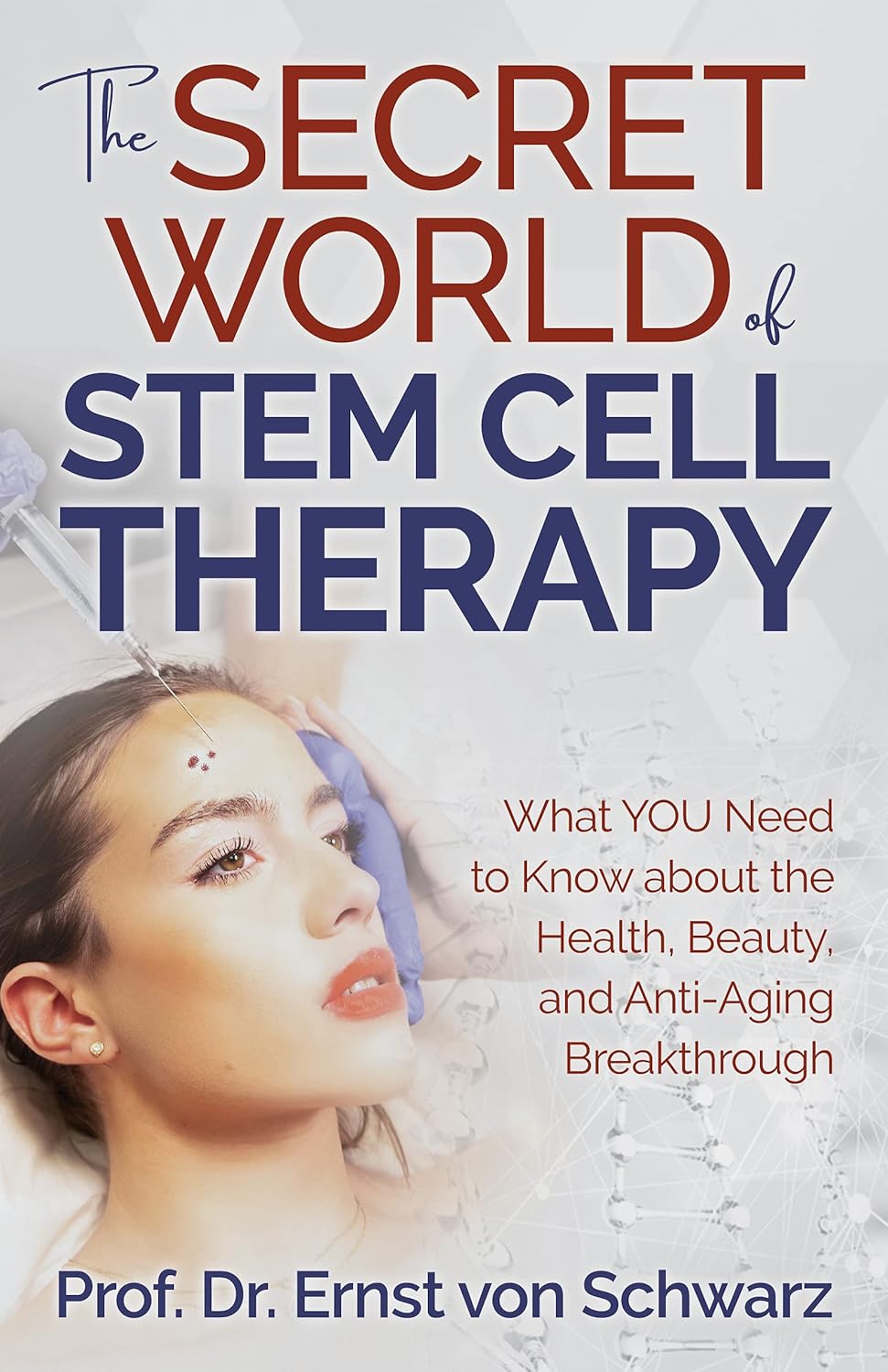
Prof. Dr. Ernst von Schwarz is a world-renowned researcher and clinical and academic cardiologist, who has published more than 150 scientific articles in international peer-reviewed journals, several books’ chapters, and books. He is also a sought-after speaker at international scientific conferences worldwide, an expert on stem cell therapy and research, and a public figure in medical media.
He’s talking and putting more words together. It’s really been helping.
There’s no need to take stem cells from the patient’s hip or fat while they are under anesthesia, which can be a tough experience for small children and their parents.
There is a growing body of evidence showing that umbilical cord tissue-derived (HUCT) mesenchymal stem cells are more robust than mesenchymal stem cells from other sources
No need to administer chemotherapy drugs like granulocyte-colony stimulating factor (G-CSF or GCSF) to stimulate the bone marrow to produce granulocytes and stem cells, and release them into the bloodstream.
Since HUCT mesenchymal stem cells are immune system privileged, cell rejection is not an issue and Human Leukocyte Antigen (HLA) matching is not necessary.
The stem cells with the best anti-inflammatory activity, immune modulating capacity, and ability to stimulate regeneration can be screened and selected.
Allogeneic stem cells can be administered multiple times over the course of days in uniform dosages that contain high cell counts.
Umbilical cord tissue is a valuable resource that contains many mesenchymal stem cells. These stem cells can turn into different types of cells and are important for healing and medical treatments because they can grow and change into specialized cells.
Umbilical cord tissue is a valuable resource that contains many mesenchymal stem cells. These stem cells can turn into different types of cells and are important for healing and medical treatments because they can grow and change into specialized cells.
One of our staff physicians will assign a stem cell treatment protocol after you have submitted all requested medical information and received approval. Your child’s recommended protocol may differ from the example given below:
Note: Includes Hilton hotel room with breakfast, WIFI, transportation from and to the airport with VIP airport gate service and expedited customs clearance upon arrival.

No stem cell product from any source, including the patient’s own, is approved by the US FDA to cerebral palsy.
However, human umbilical cord tissue-derived mesenchymal stem cells that were isolated and grown in our laboratory to create master cell banks have been used in the United States under US FDA regulation.
The body’s immune system is unable to recognize umbilical cord-derived mesenchymal stem cells as foreign, and therefore they are not rejected.
Human umbilical cord tissue stem cells have been administered tens of thousands of times at the NovaCell Institute, and there has never been a single instance of rejection (graft vs. host disease). As a matter of fact, allogeneic (not the patient’s own) mesenchymal stem cells are approved to treat graft vs. host disease in Canada and New Zealand.
Umbilical cord-derived mesenchymal stem cells also proliferate/differentiate more efficiently than “older” cells, such as those found in the fat, and therefore, they are considered to be more “potent”.
The adult stem cells used to treat cerebral palsy at the NovaCell Institute come from human umbilical cord tissue (allogeneic mesenchymal). These stem cells are expanded at Barranquilla, Colombia’s state-of-the-art laboratory.
The mesenchymal stem cells we use are recovered from donated umbilical cords following normal, healthy births. Each mother has her medical history screened and is tested for infectious diseases. Proper consent is received from each family prior to donation.
All umbilical cord-derived stem cells are screened for infectious diseases to International Blood Bank Standards before they are cleared for use in patients.
Only a small percentage of donated umbilical cords pass our rigorous screening process
Proper follow-up is an essential part of stem cell therapy. Our primary goal is to ensure that your child is progressing safely. Regular follow-up also enables us to evaluate efficacy and improve our treatment protocols based on observed outcomes.
Therefore, our medical staff will be contacting you after 1 month, 3 months, 6 months, 9 months, and 1 year to monitor your child’s progress.
You can APPLY TODAY to find out if you are eligible for treatment, and a patient coordinator will reach out to will arrange for a free screening and consultation.
NovaCell Regenerative Medicine by Belleza
Cra 59B 81-143
Barranquilla, Colombia
Outside or Inside US Call:
Phone: +1 (754) 333-6754
Copyright 2026, NovaCell Institute in Barranquilla, Colombia. All rights reserved.